Virtual Assistant for Med Spas: Access Flexible Support That Scales Based on Your Needs

How Custom-Matched Virtual Support Helps Medspa Leaders Protect Revenue, Elevate Client Experience, and Grow Without the Overhead

By Published On: March 7th, 202616.4 min read

You don’t have to decide everything right now. Just choose where to start.

owner after hiring a specialist-level virtual assistant for medspas

Running a medspa means balancing clinical precision with high-touch client experience, often with a lean team doing both. In fact, it’s not uncommon for medspa clinics to have their front desk professional handling everything from patient scheduling and sales to building follow-up email sequences and social media content. And when operations fall behind, your team feels it, clients start to notice, and revenue takes a hit.

When this happens, medical spa leaders accept that they need additional support, and often consider hiring a virtual assistant for medspa clinics. However, before you post a job listing or sign with a VA agency, let’s discuss what medspa owners ought to know, because not all virtual support models are the same.

Jump to what you need:

Why Traditional Virtual Assistant Models Don’t Always Work for Medspas

Plenty of medspa owners have tried or considered going the generalist VA route. And it’s completely understandable why, as their pitch sounds appealing: “Get one dedicated virtual assistant to handle everything from scheduling, social media, email, and client follow-up full-time and at an affordable flat rate.

For a busy practice owner juggling treatments, team management, and business development, it simply sounds like the best answer.

But then reality sets in.

Here’s the truth: many catch-all/generalist VAs will struggle with distinguishing a post-treatment follow-up from a routine appointment confirmation. And while they could write your social captions, it might not look or reflect the brand you’ve spent years building. Furthermore, they can help manage your inbox, but they may not fully understand which client messages are urgent and which can wait. And in clinical environments, those distinctions really, really matter.

Additionally, the problem isn’t even that they lack motivation, as most generalist VAs work hard and genuinely want to deliver. The problem is that medspa operations often require industry and/or function-specific knowledge that takes real-world experience to develop. An instruction manual can’t teach judgment; only time and experience can, and most leaders don’t have the time to be trainers. They just want a virtual professional who can hit the ground running.

Your medspa clients expect premium experiences from the first touchpoint. If the person handling those interactions doesn’t understand treatment protocols, product lines, or the emotional investment clients bring to aesthetic services, your brand perception erodes quietly, one mediocre interaction at a time.

Why Many Virtual Assistant Models Break at Scale for Medical Spas

Here’s what typically happens when medspa owners hire through standard VA services:

  • Monthly retainers bill at the same rate during your slowest post-holiday slump and your busiest Botox rush season

  • Generalists struggle with aesthetic consultation workflows, pre- and post-care communication, the nuances of client retention in the aesthetic space, and domain-specific functions such as social media, email marketing, and tech stack optimization.

  • Many VA agencies have no HIPAA compliance infrastructure and cannot execute a Business Associate Agreement, which creates real legal exposure when your medspa stores treatment histories, before-and-after photos, and client medical intake forms
  • Long-term contracts leave you paying for capacity you don’t need when your booking calendar shifts
  • Without context about treatments, product tiers, or client sensitivity, every handoff requires detailed instruction, which means you’re managing more, not less

Support that depends on constant direction isn’t delegation. It’s just a longer to-do list wearing a different hat.

The Managed Virtual Support Model Works Better for Medspas

At Imperative Concierge Services, we built a managed virtual support model around how service-based businesses with premium positioning actually operate, not how generalist agencies prefer to sell packages.

Custom-Matching, Not Roster Assignment

→ We match medspas with Virtual Support Specialists who bring relevant experience in luxury service environments, client-facing communication, and the specific operational functions where your practice needs the most lift. We prioritize specialists who understand the standards your clientele expects and can meet them without extensive hand-holding.

Specialists, Not Generalists

→ Medspa operations span client experience, social presence, treatment marketing, systems management, and administrative coordination. Expecting one person to execute all of those functions at a high level is how standards slip. We connect you with specialists who are focused on the area where your biggest gap exists.

Flexible 60-Day Time Blocks

→ Medspa booking volume isn’t linear. You have packed weeks after a promotional push, slower stretches post-holiday, and surge periods around seasonal treatment trends.

Our 60-day time blocks let you:

  • Add support capacity when campaign launches or promotions drive volume
  • Scale back during predictably slower periods without penalty
  • Adjust your support level as your practice grows
  • Manage operations without adding permanent payroll overhead

You get professional support without payroll-lockin, operational coordination managed for you, and specialists who understand that client experience in the aesthetic space is a competitive advantage and not just a nice-to-have.

Download the Strategic Virtual Support Playbook

Includes Our Complete Investment Guide

Examples of Specialist-Level Virtual Support for Medspas

Here’s where Virtual Support Specialists deliver the most meaningful impact for medspa operations:

Administrative Support and Operations

During busy treatment hours, medspa front desks are checking in clients, answering phones, coordinating consultations, and managing post-treatment scheduling simultaneously. When staff step into treatment rooms or assist patients, calls go unanswered, and scheduling gaps appear. A specialist could step in to:

  • Manage appointment scheduling and confirmation workflows in platforms like Jane App, Vagaro, or Mindbody, ensuring adequate treatment time, avoiding double-booking providers, and keeping high-revenue services from being squeezed into short gaps.

  • Coordinate intake forms, consent documentation, and pre-treatment instructions so clients complete paperwork before arriving, reducing delays and keeping providers on schedule.

  • Track referral sources (Google search, social media, client referrals, or promotions) and maintain organized client records so your team understands what marketing channels are actually driving new consultations.

  • Coordinate vendor communication, track supply orders for consumables such as injectables and treatment supplies, and reconcile invoices so providers aren’t interrupted by operational tasks during clinic hours.

  • Maintain organized treatment documentation, intake records, and client histories so your practice maintains consistent records and stays prepared for internal audits or regulatory reviews.

A typical administrative workflow might include scheduling consultations, sending intake forms ahead of appointments, coordinating reminders, and updating treatment records after each visit.

Result: Your providers stay focused on treatments while administrative systems run smoothly in the background.

Client Experience Management

A medspa client who feels forgotten after a treatment rarely returns. Retention in aesthetic practices depends on consistent, personalized follow-up, yet those touchpoints are often the first thing that disappears when providers and front desk staff are stretched thin during busy treatment days. A specialist c0uld step in to:

  • Send post-treatment check-ins that are warm, on-brand, and timed appropriately for each service type
  • Follow up on treatment packages, membership renewals, and clients who expressed interest but never booked their next visit
  • Coordinate communication between consultations, first treatments, and recommended rebooking timelines
  • Handle client questions or concerns with professionalism and sensitivity during service recovery situations
  • Track where each client is in their treatment journey and flag opportunities for providers to reconnect personally

A typical client experience workflow might include sending a check-in message after a treatment, following up a few weeks later about results or next-step treatments, and reminding clients when it’s time to rebook or continue a treatment series.

Result: Clients feel remembered and valued, turning one-time visits into long-term relationships and consistent rebookings.

Social Media Management

Your medspa’s presence on Instagram is often the first impression prospective clients have of your practice. Before booking, many people browse a clinic’s feed to evaluate treatment results, professionalism, and overall brand aesthetic. An inactive or inconsistent account can quietly undermine trust—even when your providers deliver excellent results.

A specialist can step in to:

  • Develop and schedule content using tools like Later, Planoly, or Meta Business Suite so posts remain consistent without adding to your team’s workload
  • Create educational content around treatments, skincare products, and seasonal promotions that encourage consultation requests
  • Respond to direct messages and comments with replies that stay on-brand while following aesthetic industry advertising guidelines
  • Monitor competitor accounts and emerging treatment trends to keep your content relevant and aligned with what prospective clients are researching
  • Organize and repurpose before-and-after content (with proper client consent) to build visible social proof over time

A typical social media workflow includes planning a monthly content calendar, scheduling posts in advance, monitoring comments and DMs daily, and highlighting treatment results or educational content that encourages prospective clients to book consultations.

Result: A consistent social presence that builds credibility, attracts qualified prospects, and turns casual browsing into booked appointments.

Email Marketing and Lead Nurture

Your email list includes clients who inquired about treatments but never booked, as well as those who are still deciding. The medspas that excel at retention are the ones consistently staying in front of these contacts with relevant, well-timed communication. A specialist can step in to:

  • Build automated sequences for new consultation inquiries so that when someone asks about treatments like Botox, laser sessions, or skincare packages but doesn’t book, they receive a 3-email follow-up over 7 days with FAQs, treatment expectations, and a booking reminder
  • Create segmented campaigns based on treatment interest, membership status, or time since the last visit
  • Write promotional emails for seasonal campaigns, new treatment launches, and referral incentives that actually get opened
  • Develop loyalty-focused sequences that reward long-term clients and reduce churn
  • Set up and manage campaigns in platforms like Klaviyo, Mailchimp, or ActiveCampaign

A typical email marketing and lead nurture workflow might include sending automated follow-ups immediately after a consultation inquiry, segmenting clients for targeted campaigns, scheduling promotional or educational emails at the right cadence, and tracking opens, clicks, and rebookings to refine future campaigns

Result: Your email list stops being a missed revenue opportunity and becomes a predictable source of rebookings, referrals, and long-term client engagement without adding extra workload for your team

Technology and Systems Management

Your booking platform, CRM, and payment processor shouldn’t require a dedicated IT person to function properly, but right now, they might. When systems aren’t integrated, your team spends hours on manual work that should be automated, creating bottlenecks in both client care and operations. A specialist can step in to:

  • Audit and clean client records in Vagaro, Jane App, or Mindbody so client histories are accurate, complete, and easily retrievable
  • Build automations for appointment reminders, post-care instructions, and rebooking prompts to reduce manual follow-up work
  • Integrate your scheduling platform with email marketing and client communication tools to create a seamless workflow between bookings, reminders, and promotional campaigns
  • Create internal templates and SOPs that cut down repetitive data entry and standardize processes across your team
  • Troubleshoot system errors and manage software updates without pulling providers away from treatments

A typical technology workflow might include cleaning and standardizing client records, setting up automated appointment and follow-up messages, linking your scheduling software with marketing and communication platforms, and maintaining internal SOPs so tasks run reliably in the background

Result: Your operations run on systems that actually work, freeing your team from manual tasks and letting providers focus on delivering treatments rather than chasing software errors

Medspa Industry-Specific Support

Explaining the difference between a neurotoxin and a filler to someone who’s supposed to be helping your practice look credible is exhausting. If you’ve watched a VA write content that belonged on a generic wellness blog instead of a clinical aesthetics practice, you already know the gap. A specialist with medspa-relevant experience can:

  • Communicate with vendors, product reps, and device support teams using correct clinical and operational language
  • Understand the difference between a post-treatment concern that needs your provider’s attention and a question that’s routine
  • Navigate platforms like Nextech, Aesthetic Record, or Boulevard without weeks of basic onboarding
  • Handle compliance-adjacent documentation with appropriate care and without requiring constant directional input
  • Recognize which client interactions carry sensitivity and treat them accordingly

Result: Support that fits your practice without requiring you to teach it what a medspa is first.

What Quality Virtual Support Looks Like for Medspa Operations

High-level virtual support for a medspa demonstrates specific characteristics in practice:

  • If they’re managing client communications, they write follow-up messages that feel personal, not templated
  • If they’re handling scheduling, they protect your provider’s time and catch booking conflicts before they become problems
  • If they’re managing social media, they post content that builds credibility and reflects your aesthetic not content that looks like every other local spa
  • If they’re supporting email marketing, they segment your list and write copy that speaks to where each client is in their treatment journey
  • If they’re managing systems, they find workflow gaps proactively rather than waiting for something to break
  • If they have experience in premium service environments, they understand that first impressions and follow-through are the product, not just the treatment

Effective support operates with enough independence that you’re not reviewing every interaction before it goes out. If it requires that level of oversight, the fit isn’t right.

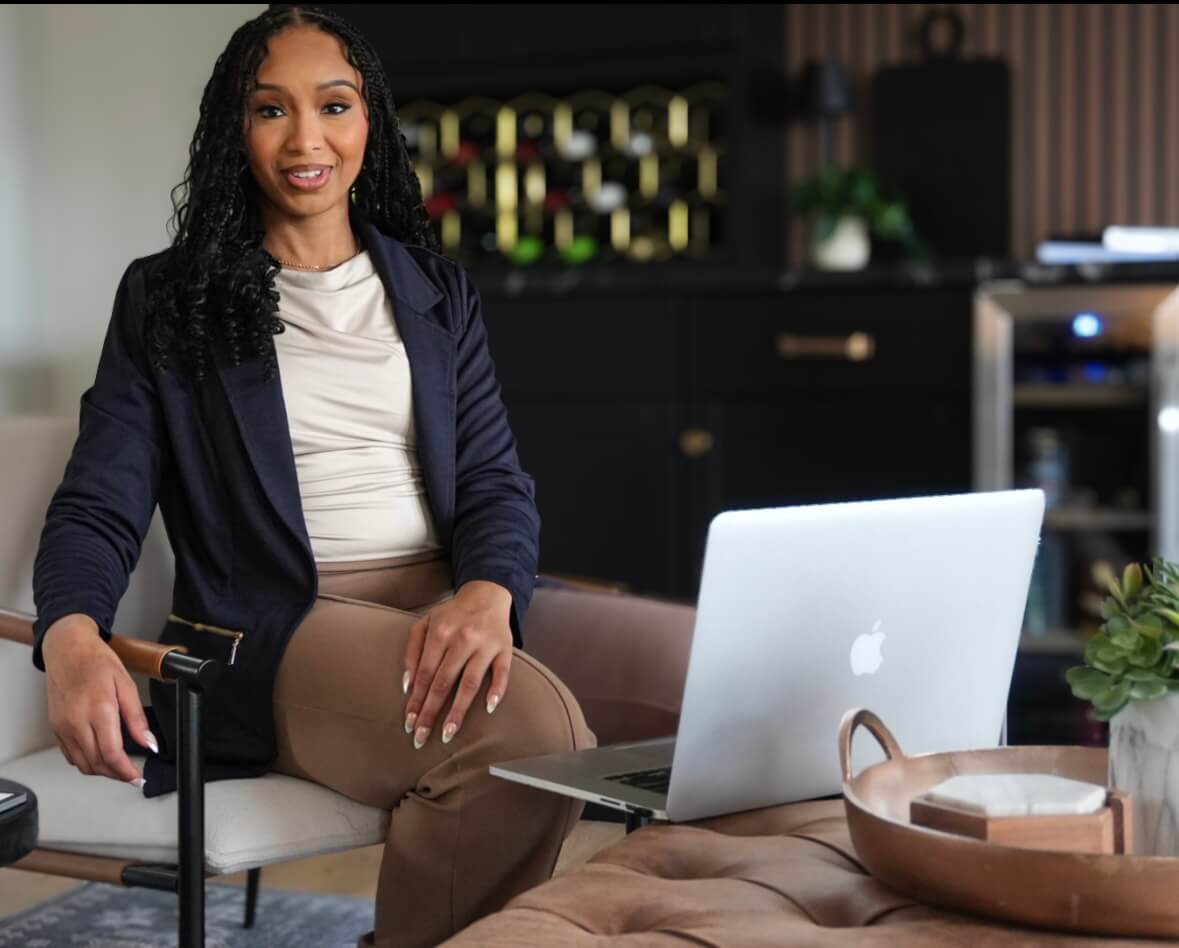
virtual assistant for medspas smiling

What the Right Support Would Change for Your Medspa

When a custom-matched virtual specialist is working inside your practice operations, medspas typically see:

  • More available bandwidth for your providers and leadership team
  • Fewer dropped client follow-ups and fewer lapsed memberships
  • Improved retention through consistent, well-timed client touchpoints
  • Operational systems that scale with booking volume instead of bottlenecking it
  • The capacity to take on more clients without compromising the experience for existing ones

You stay focused on clinical excellence, team development, and practice growth. Your virtual support specialist makes sure the operational side runs without gaps.

Which Medspas Benefit the Most From Custom-Matched Virtual Support

The custom-matched specialist-led model works best when:

  • Your medspa is generating consistent booking volume and revenue
  • Operational gaps are creating client experience failures or revenue leakage
  • Service quality and brand reputation matter more than finding the lowest hourly rate
  • Client retention and referral volume are tied directly to how supported clients feel
  • You want support that operates independently within defined functions, not someone who needs constant direction

If cost is the only driver, this model likely won’t be the right match. But if you need dependable, aesthetics-aware support that strengthens how your practice operates from the inside out, this is where the conversation starts.

Is Your Medspa Ready for Virtual Support?

Specialized support is usually the right next step if any of these are true:

  • Consultation inquiries are going unanswered or getting slow responses because your team is handling treatments
  • Client retention is suffering because post-treatment follow-up happens inconsistently or not at all
  • Your booking platform and CRM are generating more manual work than they’re eliminating
  • Social media and email marketing keep getting pushed back in favor of day-to-day operations
  • Your processes exist in people’s heads rather than documented systems that can survive a team change
  • You’re ready to delegate real operational functions, not just task lists

Book a discovery call to talk through your needs. 

Virtual Assistant vs Virtual Support Specialist: Which One Does Your Medspa Need?

Not every medspa is at the same point in its growth. The right support level depends on the complexity of what needs to get done and how independently it needs to run.

A generalist virtual assistant may be appropriate if:

  • Your tasks are straightforward and don’t require knowledge of the aesthetic services space
  • Your practice is early-stage and budget constraints are the primary driver of the decision
  • You have time to write detailed SOPs and train someone from scratch
  • The work doesn’t affect client-facing interactions or brand perception
  • You need tasks completed, not judgment applied

A Virtual Support Specialist is a better fit if:

  • Client experience is directly tied to your retention and referral numbers
  • Your operations involve treatment coordination, membership management, or compliance-sensitive communication
  • Client-facing messages need to reflect your brand without your editing every one
  • The role requires reading a situation and deciding what’s urgent versus what can wait
  • You want to delegate full operational functions, not just a task list
  • Growth is revealing capacity gaps your current team can’t absorb without help

The distinction: Virtual assistants complete assigned tasks. Virtual Support Specialists bring context and judgment to how those tasks get done, and in a premium service environment, that difference shows.

If the second list describes where your practice is, a discovery call is the logical next step.

What Makes Imperative’s Model Different for Medspas?

The Imperative Virtual Support Model is different from traditional agencies. Consider the following:

Traditional VA Services Imperative Support Model
Assigned based on availability Matched based on industry fit or operational function
Broad, generalist skill sets Specialists within defined functions
Fixed monthly retainer Flexible 60-day time blocks
You manage contractor logistics We manage payment, time reporting, and support infrastructure
Vetting standards vary Professional screening and background checks
Locked into plans for months Capacity adjusts with your booking volume and seasonal cycles
No BAA capability or HIPAA infrastructure BAA available for clients whose work involves Protected Health Information

Ready to Grow Your Medspa Without Growing Your Payroll?

Since 2015, we’ve helped small businesses access experienced, function-specific support without the overhead of full-time employees or the risk of a mismatched hire.

Our managed virtual support model gives you fractional access to specialists who understand premium service environments, while we handle the administrative infrastructure behind the scenes.

Schedule a discovery call to explore whether custom-matched support is the right fit for where your medspa is right now.

Let’s Chat: Book A Discovery Call

Loading...

Still Have Questions? Check Our FAQ.

A generalist virtual assistant handles a broad range of tasks: scheduling, inbox management, social media, and whatever else lands in the queue. That approach works when tasks are simple and consistent. Medspa operations often require more nuance.

Virtual Support Specialists bring focused expertise to specific functions: administrative coordination, client experience management, social media execution, email marketing, or technology and systems implementation. The right choice depends on what your practice actually needs, not just what’s available.

Yes, when the fit is right. Virtual support delivers the most value when it frees your providers and leadership team to focus on clinical work and practice growth. Hiring the wrong level of support, or the wrong type of specialist, creates more management work rather than less. The investment pays off when the specialist can operate with independence inside your defined functions.

Yes. Imperative Concierge Services executes a BAA with clients whose work involves Protected Health Information. For medspas handling treatment histories, medical intake forms, and before-and-after documentation, this matters. Our agreement covers role-based access, least-privilege controls for Virtual Support Specialists, breach notification protocols, subcontractor compliance, and PHI handling standards, so your practice stays compliant.

Our 60-day time blocks are designed for ongoing and project-based needs. Many medspas use project-based support to build a client retention email sequence, clean up their booking system, or launch and run a social content calendar. You’re not locked into an ongoing monthly retainer. Bring on a specialist for the project duration, then scale back or pause once the work is done.

Yes. Membership management is one of the highest-leverage areas where specialist support makes a measurable difference. A specialist can handle renewal communications, lapsed member outreach, benefit tracking, and the follow-up sequences that keep retention rates strong, without your front desk managing it manually.

Jessica is the Founder and Chief Delegation Officer of Imperative Concierge Services. Her background in the heavily regulated healthcare industry showed her exactly what was missing in the virtual support world: specialist-level support built around how modern businesses actually operate. Since 2015, her proprietary matching method has connected corporate leaders with specialized Virtual Support Specialists: no generalists, no payroll lock-in, just flexible support that fits the way you work.

Share these delegation insights with your network!